
Information
We pride ourselves on our adaptability and commitment to excellence in every aspect of our conflict management and physical intervention. Explore what we have to offer and how we can contribute to your success.

Frequently Asked Questions (FAQs)
Conflict Management & Physical Intervention Training
1. What is conflict management?
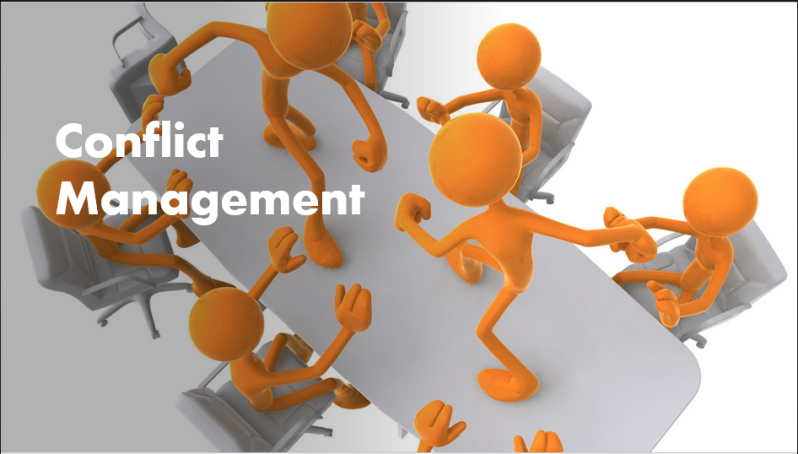
Conflict management refers to the skills, strategies, and techniques used to prevent, de-escalate, and resolve disagreements, aggression, or challenging behaviour in a safe and professional manner. It focuses on communication, early recognition of risks, and maintaining a calm, controlled environment.
2. Why is conflict-management training important in care homes and school environments?
These settings involve vulnerable individuals, young people, or people with additional needs. Staff must be able to respond safely and confidently to challenging situations. Proper training reduces risk, promotes safeguarding, protects staff and residents/pupils, and helps organisations comply with UK legislation and regulatory requirements.
3. What is physical intervention?
Physical intervention is the use of safe, legally approved techniques to prevent harm when de-escalation has failed and someone is at immediate risk of injuring themselves or others. It includes guiding, escorting, or – in extreme situations – holding or restricting movement using proportionate force.
4. When is physical intervention appropriate?
Only as a last resort and when it is:
-
Necessary to prevent harm
-
Proportionate to the level of risk
-
Reasonable in the situation
-
Time-limited and constantly reviewed
This is aligned with key UK legislation such as the Mental Capacity Act, the Children Act, common law, and CQC/Ofsted guidance.
5. Is physical intervention allowed in schools?
Yes, under the Education and Inspections Act 2006, staff may use reasonable force to prevent injury, damage, or serious disruption. However, interventions must be appropriate, recorded, reported, and only used when essential.
6. What laws relate to conflict management and physical intervention in the UK?
Key legislation includes:
-
Health and Social Care Act 2008 (Regulated Activities Regulations 2014)
-
Mental Capacity Act 2005
-
Children Act 1989 & 2004
-
Education & Inspections Act 2006
-
Human Rights Act 1998
-
Common Law on Reasonable Force
Training ensures staff understand their legal rights, responsibilities, and limitations when responding to challenging behaviour.
7. Do staff need regular refresher training?
Yes. Best practice and regulating bodies recommend annual or bi-annual refreshers. This is crucial because skills fade over time and legal frameworks evolve.
8. Will this training help reduce the need for restraint?
Absolutely. The goal of conflict-management training is to prevent situations escalating. Staff learn to recognise early warning signs, use effective communication, and apply de-escalation techniques—reducing the likelihood of restraint being required.
9. Is the training suitable for staff with no previous experience?
Yes. Training is designed for all levels of experience and includes step-by-step guidance, demonstrations, supervised practice, and scenario-based learning.
10. Do you cover safeguarding during training?
Yes. Safeguarding is central to all training delivered. Staff learn how to protect vulnerable individuals, respect rights and dignity, and follow safe, ethical procedures.
11. Are the physical-intervention techniques safe?
Techniques taught are sector-appropriate, low-risk, and legally defensible, focusing on safety for both staff and the individual. Dangerous or banned techniques (such as prone restraint or pain-inducing methods) are not taught unless they fall within specific, legally defined specialist environments.
12. Do organisations receive documentation or certification?
Yes. After successful completion, organisations and participants receive:
-
Certificates of training
-
Training records for compliance
-
Guidance on policies, incident reporting, and best practice
13. Can the training be tailored to our setting?
Yes. Training can be customised for:
-
Care homes
-
Schools
-
Residential childcare
-
Supported living
-
SEN environments
-
Mental health services
-
Youth services
This ensures scenarios and techniques are directly relevant to your work environment.
14. What should staff do after a physical intervention?
They must follow organisational procedures, which normally include:
-
Recording the incident
-
Reporting to management
-
Debriefing for staff and the individual involved
-
Reviewing care/behaviour plans
This promotes transparency, learning, and safeguarding.
15. Do you offer ongoing support after training?
Yes. Ongoing consultancy, policy reviews, and refresher sessions can be provided to ensure long-term safety, compliance, and staff confidence.


Beyond the ordinary
This is where our journey begins. Get to know our business and what we do, and how we're committed to quality and great service. Join us as we grow and succeed together. We're glad you're here to be a part of our story.